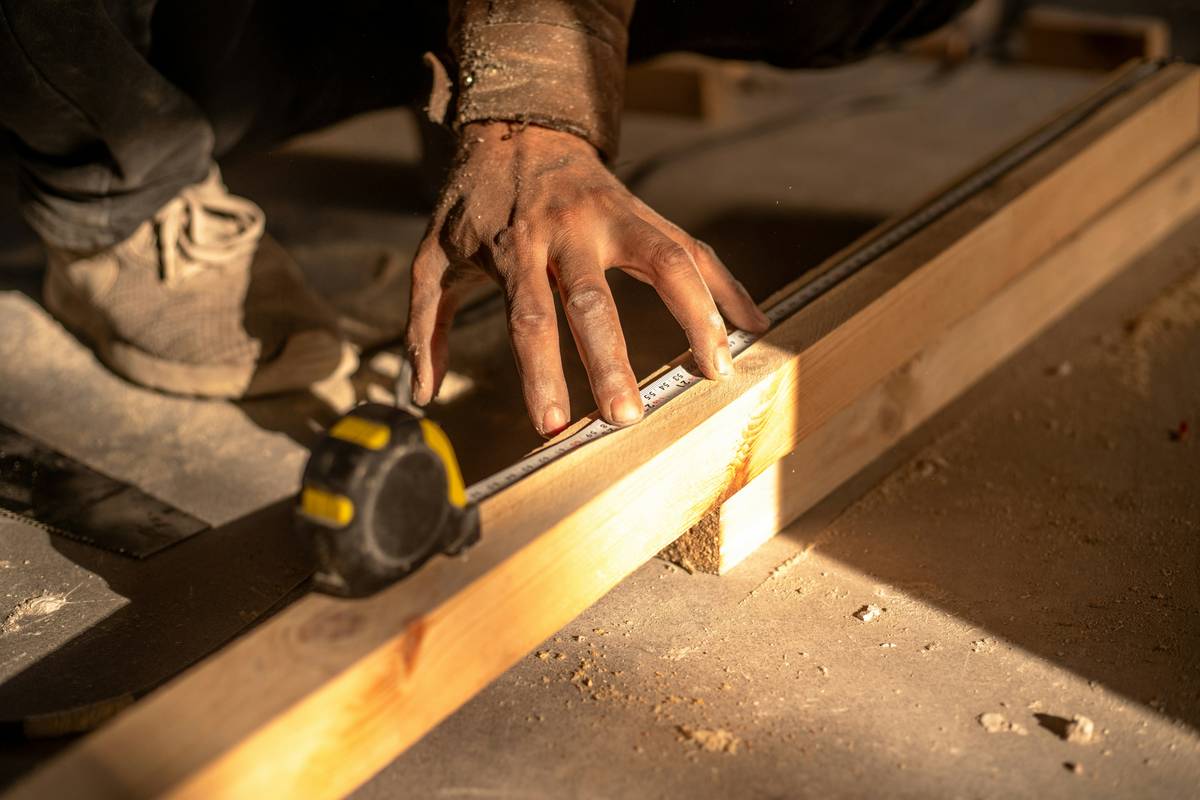
Ever stood in a hardware store aisle overwhelmed by saws, sanders, and mysterious clamps—wondering if you’ll ever build something that doesn’t look like abstract art? You’re not alone. Woodworking intimidates many beginners, yet it’s one of the most rewarding creative hobbies in online education today. With the right guidance, even complete novices can craft beautiful, functional pieces from raw lumber. In this guide, we’ll walk through seven essential, battle-tested strategies to help you start strong—while dodging common pitfalls that leave beginners frustrated or injured.
Table of Contents
- Why Beginner Woodworking Matters in Online Learning
- Step-by-Step Starting Guide
- Best Practices for New Woodworkers
- Real-World Success Stories
- Frequently Asked Questions
Key Takeaways
- Start with simple projects like cutting boards or wall shelves to build confidence.
- Invest in safety gear first—eye protection and hearing protection are non-negotiable.
- Accurate measuring prevents wasted materials; “measure twice, cut once” isn’t just a cliché.
- Online communities and structured courses significantly reduce beginner errors.
- Avoid the “buy every tool” trap—begin with hand tools before upgrading to power tools.
Why Beginner Woodworking Matters in Online Learning
In the booming world of online education, hands-on skills like woodworking offer a rare antidote to screen fatigue. Unlike passive video consumption, creating tangible objects builds neural pathways linked to problem-solving and spatial reasoning. According to a study published in the National Institutes of Health (NIH), manual crafts improve cognitive resilience and reduce stress levels—making them ideal for lifelong learners.
I learned this the hard way. My first attempt at woodwork projects for beginners was a wobbly stool that collapsed under my cat’s weight (RIP Whiskers’ dignity). I’d skipped learning grain direction and used warped pine from a discount bin. Lesson? Quality materials and foundational knowledge matter more than fancy tools.
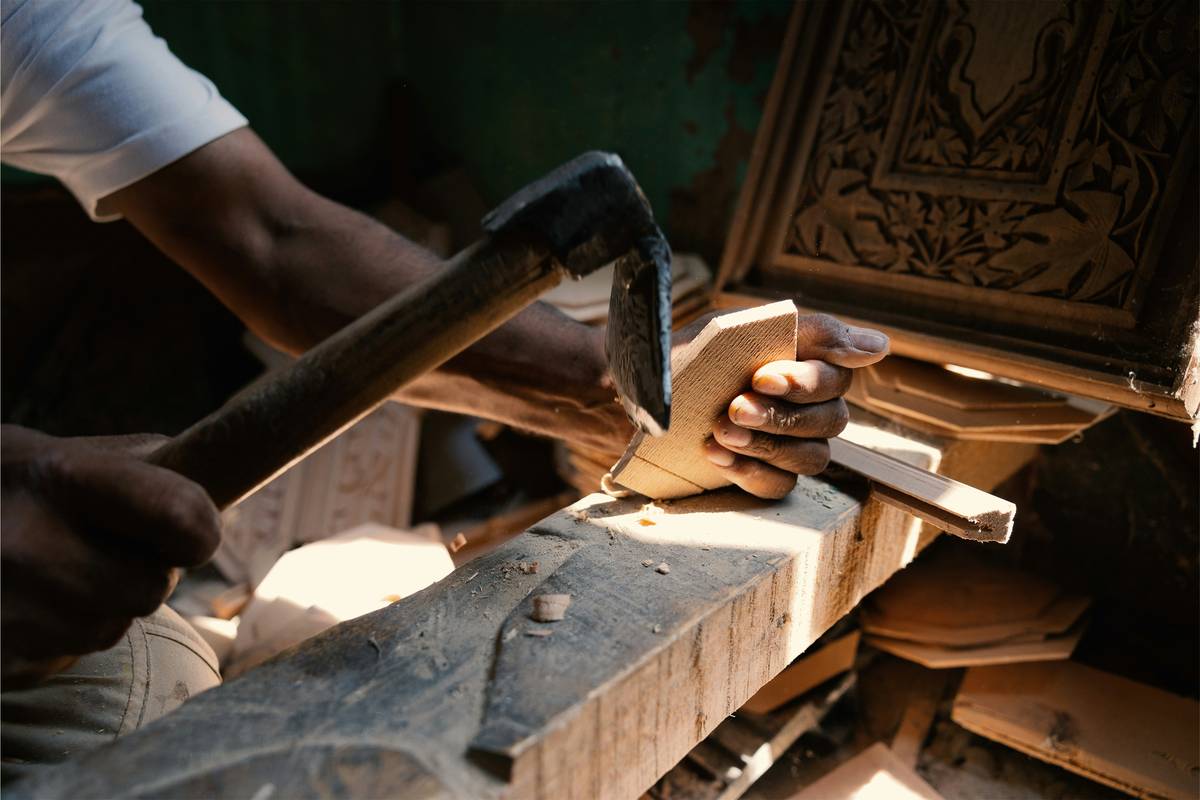
Step-by-Step Starting Guide
Gather Essential Tools
You don’t need a garage full of gear. Start with:
- A combination square
- Claw hammer
- Random orbital sander
- Coping saw or jigsaw
- Clamps (two 6-inch bar clamps suffice)
Choose Your First Project
Pick something small with straight cuts: a coaster set, picture frame, or floating shelf. Avoid curves or joinery until you’ve mastered basic cuts and sanding.
Practice Safe Cutting
Always secure your wood with clamps. Never hold material by hand near a blade. Keep fingers clear, use push sticks for narrow pieces, and unplug tools when changing blades.
Best Practices for New Woodworkers
- Buy kiln-dried wood: Green or air-dried lumber warps as it dries indoors. Look for “KD” (kiln-dried) labels at suppliers like Rockler or local lumberyards.
- Sand progressively: Start with 80-grit, move to 120, then 220 for smooth finishes.
- Embrace mistakes: A gap or chip? Fill it with epoxy tinted with wood dust—it becomes part of your piece’s story.
- Join an online community: Reddit’s r/woodworking and YouTube channels like The Wood Whisperer offer free, expert-backed advice.
Terrible tip alert: “Just eyeball the measurements!” Nope. Even 1/16-inch error compounds across joints, leading to gaps or misalignment. Use a ruler—your future self will thank you.
Real-World Success Stories
Take Maria R., a homeschooling mom who enrolled in a free beginner course via Utah State University Extension. Within three months, she built ten custom birdhouses sold at her local farmers’ market—earning $320 and launching a side hustle. Her secret? She stuck strictly to beginner-friendly woodwork projects and documented each build on Instagram, attracting local customers.
Data backs this trend: Craft industry reports show 68% of new hobbyists who complete a first project continue crafting long-term. That initial win builds momentum. At Momohost, we’ve seen similar journeys—like our reader James, who now runs weekend workshops after mastering basics through structured online learning. Learn more about our mission to support creators on our About Us page.
Frequently Asked Questions
What’s the easiest woodwork project for absolute beginners?
A wooden cutting board made from pre-cut hardwood strips. It requires only glue-ups, sanding, and food-safe oil—no complex cuts or hardware.
Do I need a workshop to start woodwork projects for beginners?
No. A 4×8-foot area in a garage, basement, or even a well-ventilated balcony works. Just ensure good lighting and dust control.
How much should I budget for beginner tools?
A functional starter kit costs $150–$300. Prioritize quality in measuring and clamping tools—they last decades.
Is pine good for beginner woodworking?
Yes, but choose clear (knot-free) pine. Avoid construction-grade “whitewood,” which often contains hidden knots and sap pockets.
Where can I find free plans?
Reputable sources include Ana White’s website and the DIY Network. Always verify dimensions before cutting.
Does woodworking require math skills?
Basic arithmetic suffices—adding fractions, calculating board feet, and understanding angles. Apps like Woodworker’s Calculator simplify this.
Ready to turn scraps into something special? Don’t let perfectionism stall your start. The first cut is the hardest—but also the most empowering. Got questions or want personalized project feedback? Reach out anytime via our Contact Us page. And remember: every master carpenter was once a beginner holding a crooked board, wondering what went wrong. Keep building. Your hands know more than you think.
We respect your privacy—review our full Privacy Policy for details on data handling.