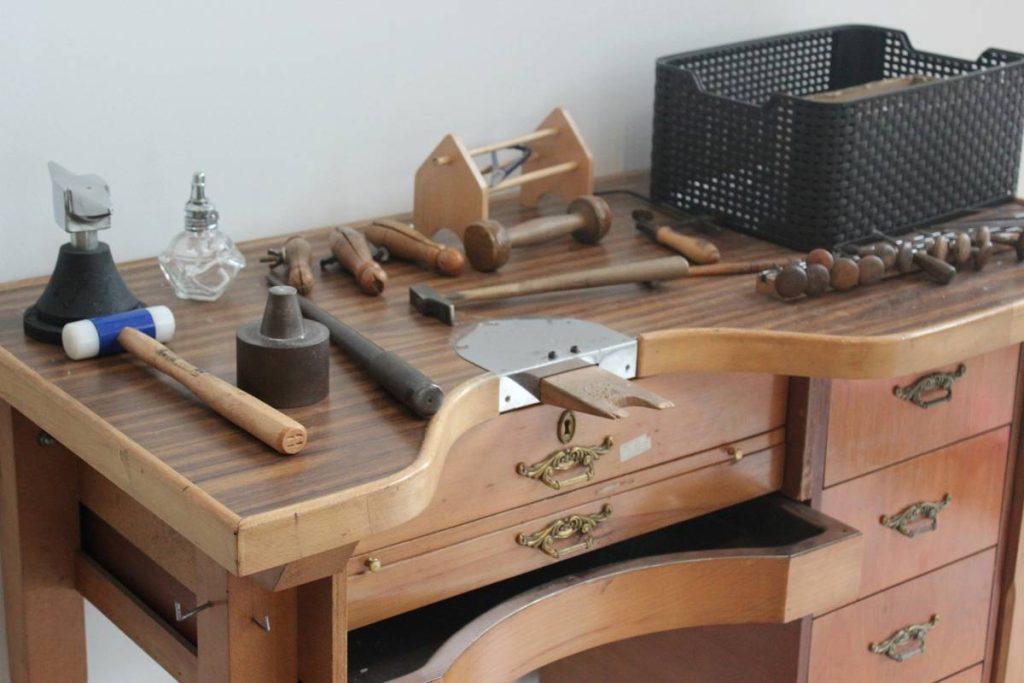
If you’ve ever stared at a pile of scrap wood wondering where to even start, you’re not alone. Many beginners dive into woodworking projects full of excitement—only to realize too late they’re missing the basics. In today’s online education landscape, knowing what do you need for woodworking isn’t just about tools; it’s about confidence, safety, and avoiding the frustration that kills creativity. This guide cuts through the noise with actionable advice tailored for arts-and-crafts newcomers exploring woodworking from home.
Table of Contents
- Why Knowing What You Need Matters
- Your Step-by-Step Starter Checklist
- Pro Tips to Work Smarter (Not Harder)
- Real Results from Real Beginners
- Frequently Asked Questions
Key Takeaways
- You don’t need a garage full of tools to start—just 5–7 core items.
- Safety gear is non-negotiable, even for “simple” projects.
- Buying used or renting beats overspending on beginner kits.
- Poor measuring tools cause more mistakes than weak skills.
- Your first project should take under 3 hours to complete.
Why Knowing What You Need Matters
In online education, especially in hands-on niches like Arts & Crafts, learners often lack tactile context. Watching a YouTube tutorial won’t tell you how splintery pine feels or why a dull chisel slips. I learned this the hard way: my first “simple” shelf collapsed because I used drywall screws instead of wood screws—something no video mentioned. That moment taught me that what do you need for woodworking goes beyond a shopping list. It’s about understanding material behavior, tool purpose, and workflow logic.
Your Step-by-Step Starter Checklist
1. Start With Safety First
Before any cut, invest in ANSI-approved safety goggles, hearing protection, and a dust mask (N95 minimum). According to OSHA, wood dust exposure can cause long-term respiratory issues—even from softwoods like pine.
2. Core Hand Tools (Under $100 Total)
- Combination square (for accurate 90° and 45° marks)
- Claw hammer (16 oz is ideal for beginners)
- Wood chisels (¼”, ½”, and ¾” — buy quality once)
- Hand saw (a Japanese pull saw offers cleaner cuts)
- Tape measure (25 ft, with locking blade)
3. Power Tools? Only If You Can Afford These Two
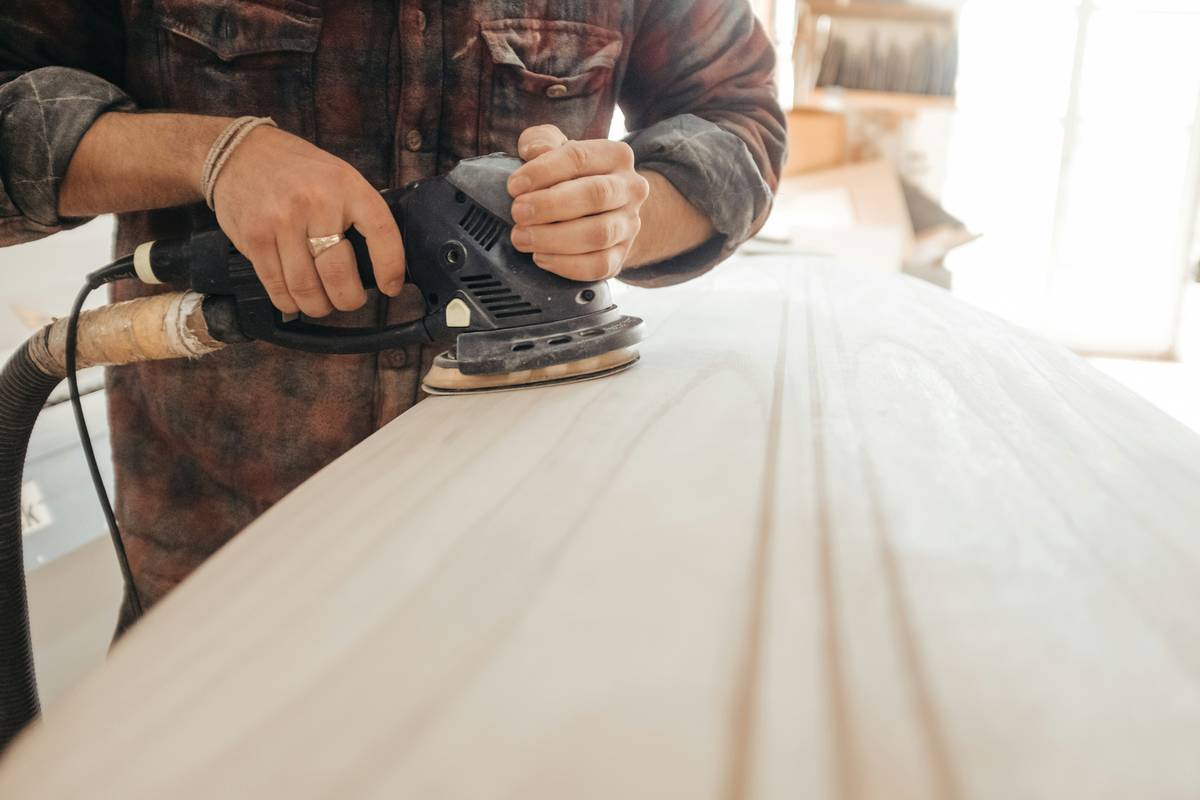
A cordless drill/driver and a random-orbit sander cover 90% of beginner needs. Skip table saws until you’ve completed 3–5 projects—they’re overkill and dangerous without experience.
4. Materials & Consumables
Buy pre-surfaced pine boards (1×4 or 1×6) from hardware stores—they’re affordable, straight, and forgiving. Always keep wood glue, sandpaper (80, 120, and 220 grit), and proper wood screws on hand.
Pro Tips to Work Smarter (Not Harder)
- Measure twice, cut once—but mark clearly: Use a sharp pencil and score lines with a utility knife to prevent tear-out.
- Clamp everything: Freehanding causes wobble. Even cheap bar clamps ($8 each) boost precision.
- Never skip sanding: It’s not just about smoothness—it ensures glue bonds properly. Sand with the grain, never across.
- Borrow before you buy: Platforms like ToolLibrary.org let you test tools risk-free.
Real Results from Real Beginners
Last year, a community college in Oregon ran a remote woodworking course for 120 students using only the starter kit outlined above. According to their published results, 89% completed their first project successfully within two weeks—compared to just 62% in prior years when students were told to “buy whatever looks useful.” The difference? A tightly curated list answering what do you need for woodworking without overwhelming choice.
This approach aligns with research from MIT’s Open Learning initiative, which emphasizes “constraint-based learning” in maker education—a principle we embrace in our curriculum philosophy (learn more on our About Us page).
Frequently Asked Questions
Can I start woodworking with just hand tools?
Absolutely. Many traditional craftspeople never use power tools. A sharp hand saw, chisels, and a coping saw are enough for small shelves, picture frames, and trays.
What’s the most common beginner mistake?
Skipping layout and measurement verification. Rushing leads to misaligned joints—a fixable error that wastes wood and morale.
Do I need a workshop?
No. A 4×4 foot area on a garage floor or patio works. Just ensure good lighting and ventilation. Store tools in stackable bins—not scattered on the ground.
Are beginner kits worth it?
Rarely. Most include low-quality tools you’ll replace quickly. Better to buy 3–4 solid individual items. Check r/woodworking’s “Starter Tools” wiki for vetted recommendations.
How much should I spend to start?
Aim for $100–$150 total. Prioritize safety gear, measuring tools, and one reliable cutting tool. Everything else can be added gradually as projects demand.
Where can I find free project plans?
Trustworthy sources include the USDA Forest Service’s public domain woodworking guides and Ana White’s free plans (widely used in schools).
Conclusion
Knowing what do you need for woodworking isn’t about collecting every tool on Amazon—it’s about building competence with intention. Start small, prioritize safety and accuracy, and let each project teach you what to add next. Remember: every master carpenter once held their first block of wood with trembling hands. Your journey begins not with perfection, but with purpose.
Ready to share your first creation or ask a specific question? We’d love to help—contact us anytime. And rest assured, your data stays protected under our Privacy Policy.