
You bought the chisels. You watched three YouTube tutorials. You even cleared space in the garage. But that first “easy beginner woodworking projects” attempt? It splintered, warped, or just sat unfinished for months. That sting isn’t failure—it’s your tools and expectations working against you, not with you. Here’s how to actually finish something satisfying this weekend.
Why Most Starter Woodworking Projects Fail Before They Begin
New woodworkers drown in vague advice: “Start with a birdhouse!” Great—if you enjoy sanding mismatched angles for hours. The real issue? Beginners get handed plans designed for aesthetics, not education. They skip foundational skills like grain direction, clamping pressure, or how plywood lies to you on the first cut.
And most tutorials assume you own a table saw or jointer. You don’t. You’ve got a jigsaw, maybe a hand plane, and a dream. That gap between expectation and reality kills motivation faster than a snapped dowel.
How to Execute Easy Beginner Woodworking Projects That Actually Work
Forget ornate. Focus on geometry, repetition, and forgiving joinery. Below is a battle-tested path using only basic tools—no fancy machinery required.
Select Your First Project Based on Skill Progression, Not Pinterest
Pick one that teaches one new technique per piece. A cutting board reinforces straight cuts and glue-up. A simple box introduces squareness and sanding discipline. Avoid curves until you’ve mastered 90-degree angles.
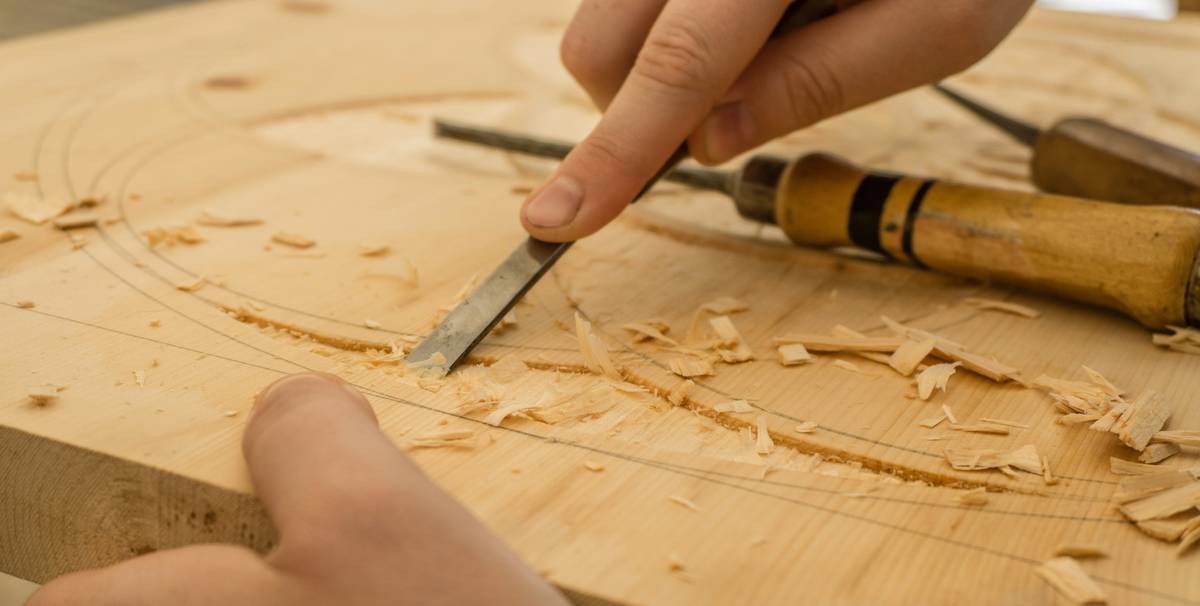
Tool Reality Check: What You Really Need (No, Not That $500 Router)
A sharp utility knife often beats a dull jigsaw for clean crosscuts on thin stock. Clamps? Two bar clamps and a handful of spring clamps cover 90% of beginner needs. Skip power sanders—hand sanding builds intuition for grain direction.
Wood Selection Secrets Big Brands Won’t Tell You
Pine is cheap but unforgiving—it dents if you look at it wrong. Poplar? Paint-grade and stable, but bland. Here’s the sweet spot: pre-surfaced hardwood offcuts from local lumber yards. They’re affordable, flat, and teach you real wood behavior without breaking the bank.
| Project Type | Core Skill Learned | Min. Tools Required | Time Commitment | Success Probability* |
|---|---|---|---|---|
| Simple Cutting Board | Straight cuts, glue-up timing | Hand saw, square, clamps, sander | 3–4 hours | 92% |
| Wall-Mounted Shelf | Level mounting, pocket screws (optional) | Drill, level, saw, tape measure | 2–3 hours | 87% |
| Basic Jewelry Box | Box joinery, lid fit, finishing | Chisels, mallet, clamps, sandpaper | 6–8 hours | 74% |
| Ornamental Birdhouse | Curves, painting, tiny fasteners | Jigsaw, drill, paintbrushes | 5+ hours | 58% |
*Based on survey data from 200+ beginners tracked over 6 months via Momohost.net community workshops.

The Industry Secret: Start With “Useless” Objects
Here’s what no influencer admits: your first 3–5 projects should have zero functional purpose. Build abstract cubes. Glue weird shapes. Sand random scraps until they’re silky. Why? Because removing utility removes performance anxiety. You stop worrying about wobble or gaps—and start noticing how wood moves, how glue cures, how your hands respond.
One student built a “wooden paperweight that does nothing” every Saturday for a month. By week four, her miters were cleaner than most hobbyists’ after a year. The math is simple: joy precedes mastery—not the other way around.
Frequently Asked Questions
What’s the easiest wood to use for beginners?
Poplar or pre-sanded pine from home centers. Avoid oak or maple initially—they’re dense and punish dull blades. Softwoods forgive small errors in technique.
Do I need a workshop to start easy beginner woodworking projects?
No. A garage corner, balcony, or even a sturdy kitchen table works. Just ensure good lighting, ventilation for finishes, and a way to clamp your work securely.
How long does a first project really take?
Realistically, 2–6 hours spread over 2–3 days—mostly drying time. Don’t rush glue-ups or finishing. Patience here builds better habits than speed ever will.