
You just bought your first chisels, a decent saw, and maybe even a workbench. But your cuts are still sloppy, your joints gape open, and sanding feels like punishment. Why? Because you skipped the essential woodworking accessories. These aren’t “nice-to-haves”—they’re force multipliers that turn frustration into flow.
Why Most Beginners Fail: They Ignore the Invisible Toolkit
Everyone obsesses over tools—router this, sander that—but neglects what actually stabilizes, aligns, and protects their work. Without clamps, you can’t glue properly. Without marking tools, your measurements drift. And without dust control? You’ll breathe sawdust for years. The result? Projects abandoned mid-stream or finished with glaring imperfections.
Here’s the reality: A $20 accessory often prevents a $200 mistake. Yet new woodworkers treat them as afterthoughts. Big error.
Your Step-by-Step Starter Kit for Real Results
Forget overwhelming checklists. Start with these six categories. Master them before chasing power tools.
Clamping Systems That Actually Hold
Spring clamps for delicate edges. Bar clamps for panels. Pipe clamps for long glue-ups. Use the wrong type, and your joint shifts under pressure—ruining alignment. Always have at least two of each basic style.
Precision Marking & Measuring Tools
A dull pencil won’t cut it. Invest in a sharp marking knife—it scores grain cleanly. Add a combination square and a reliable tape measure. And never skip the story stick method for repetitive cuts; it’s faster and more accurate than re-measuring.
Dust Extraction Basics
Yes, even hand tool users need this. A simple shop vacuum with a HEPA filter reduces airborne particles by 80%. Attach it to your bench with a homemade dust shoe. Your lungs—and your finish—will thank you.
Workholding That Won’t Slip
Non-slip mats, bench dogs, and holdfasts keep stock immobile. Skip these, and every cut becomes a wrestling match. Pro tip: Line your vise jaws with softwood scraps to avoid marring surfaces.
Sharpening Essentials
Dull tools are dangerous tools. A basic kit: honing guide, water stones (1000/6000 grit), and a strop. Sharpen every time you notice drag—not once a month. Sharp edges cut cleaner, safer, and with less effort.
| Accessory Type | Budget Pick (<$25) | Mid-Range Upgrade ($25–$60) | ROI Impact |
|---|---|---|---|
| Clamps | Irwin Quick-Grip Mini | Bessey K-body REVO | Prevents misaligned glue joints — saves entire projects |
| Marking Tools | Stanley 34-987 Knife | Veritas Wheel Marking Gauge | Eliminates measurement creep — critical for joinery |
| Dust Control | Ridgid WD4070 Vacuum | Festool CTM Midi | Long-term health protection + cleaner finishes |
| Workholding | Yost Vises Rubber Pads | Lee Valley Holdfast | Reduces fatigue, increases precision during cuts |
The Industry Secret No One Talks About
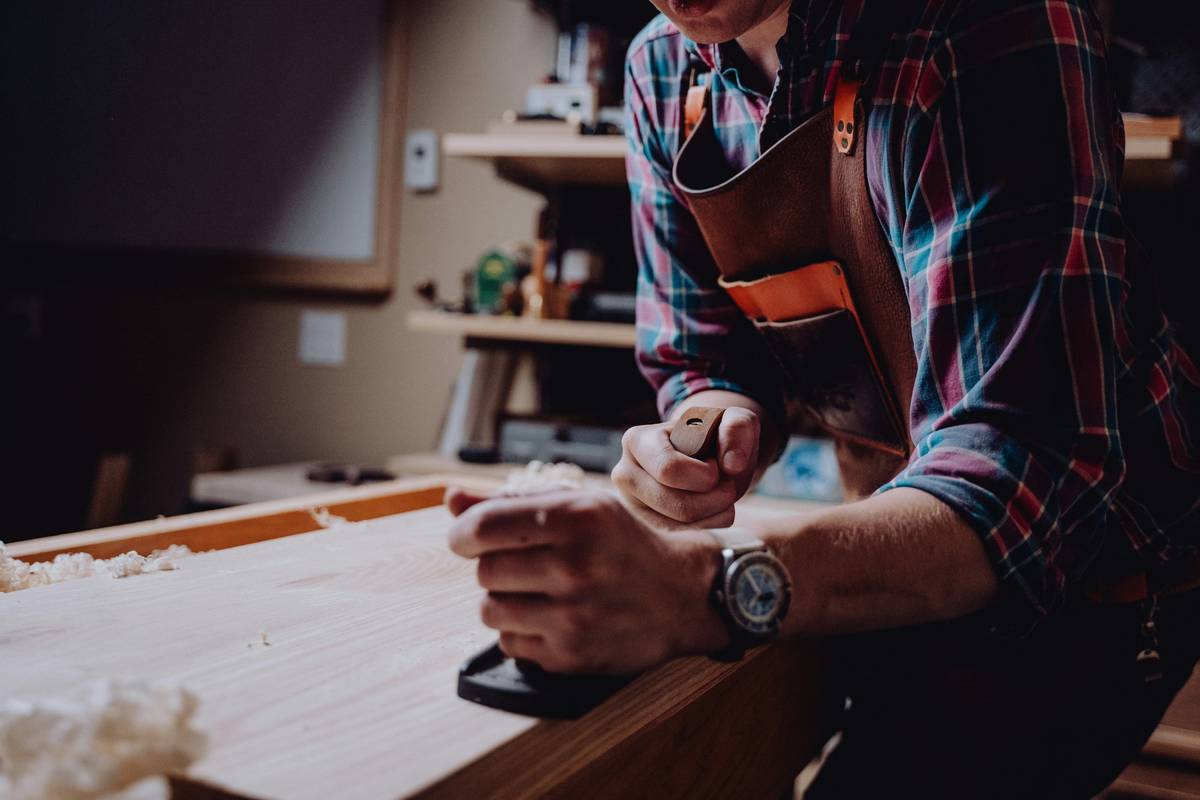
Top cabinetmakers don’t buy more tools—they rotate accessories based on the project phase. Rough dimensioning? Heavy-duty clamps and coarse abrasives. Final fitting? Micro-adjustable stops and feeler gauges. The pros treat accessories like lenses on a camera: swap them to match the shot.
But beginners hoard everything at once—or worse, buy nothing. Instead, adopt a “just-in-time” approach: acquire one new essential woodworking accessory only when your current workflow breaks. That’s how you build a lean, high-leverage arsenal without waste.
And here’s the kicker: Many so-called “premium” accessories are over-engineered. A $12 Japanese marking knife outperforms a $50 branded one if you keep it sharp. Focus on function, not logos.
Frequently Asked Questions
What’s the single most important woodworking accessory for beginners?
A quality combination square. It verifies flatness, marks perpendicular lines, checks angles, and aligns jigs. One tool, infinite uses.
Do I really need dust extraction for hand tool woodworking?
Yes. Hand planing and chiseling still generate fine particulate matter. Consistent exposure harms lung tissue—even without power tools.
Can I substitute household items for real woodworking accessories?
Temporarily, yes (e.g., books as weights). But they lack precision and consistency. Invest in proper gear once you complete two projects.