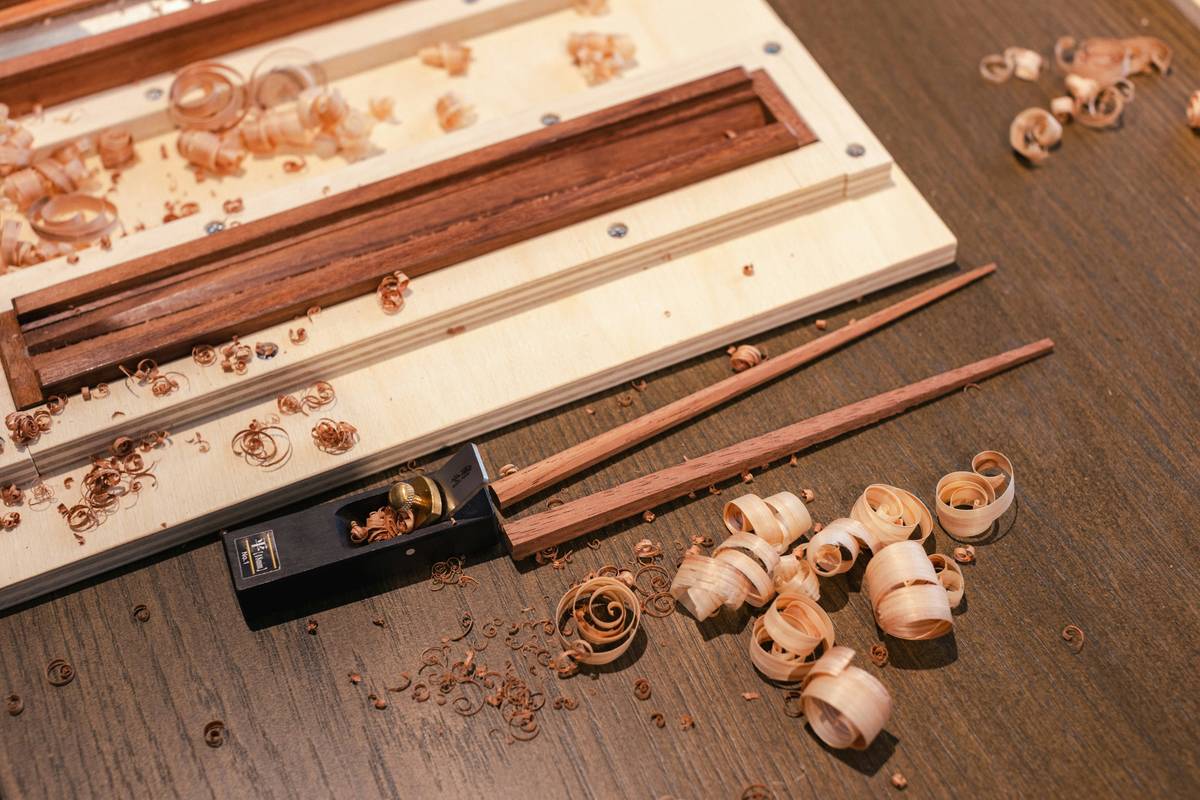
Ever stared at a pile of wood and felt overwhelmed before you even touched a saw? You’re not alone. Many beginners dive into woodworking with enthusiasm but quickly hit frustration—wasting time, money, and materials on poorly designed woodworking plans for beginners projects. In today’s online education landscape, quality guidance matters more than ever. This post cuts through the noise with actionable, tested advice so you can build confidently from day one.
Table of Contents
- Why Beginner-Friendly Plans Matter in Online Education
- Your Step-by-Step Path to First Success
- Best Practices for Safe, Efficient Builds
- Real Beginner Projects That Actually Work
- Frequently Asked Questions
Key Takeaways
- Start with simple, dimensioned woodworking plans for beginners projects—not Pinterest dreams.
- Always measure twice; I once cut a shelf 3 inches too short because I rushed.
- Use safety gear without exception—no “just this once” shortcuts.
- Leverage free resources from trusted institutions like the U.S. Forest Service.
- Avoid plans that skip tool lists or material specs—they’re recipe for failure.
Why Beginner-Friendly Plans Matter in Online Education
In the booming world of online education, Arts & Crafts learners often lack hands-on mentorship. Unlike classroom settings, digital tutorials must compensate with ultra-clear instructions, visual aids, and realistic expectations. Poorly structured plans lead to abandoned projects, damaged confidence, and wasted resources. According to the U.S. Consumer Product Safety Commission, over 40,000 woodworking-related injuries occur annually among hobbyists—many due to unclear guidance or skipped safety steps (CPSC, 2023).
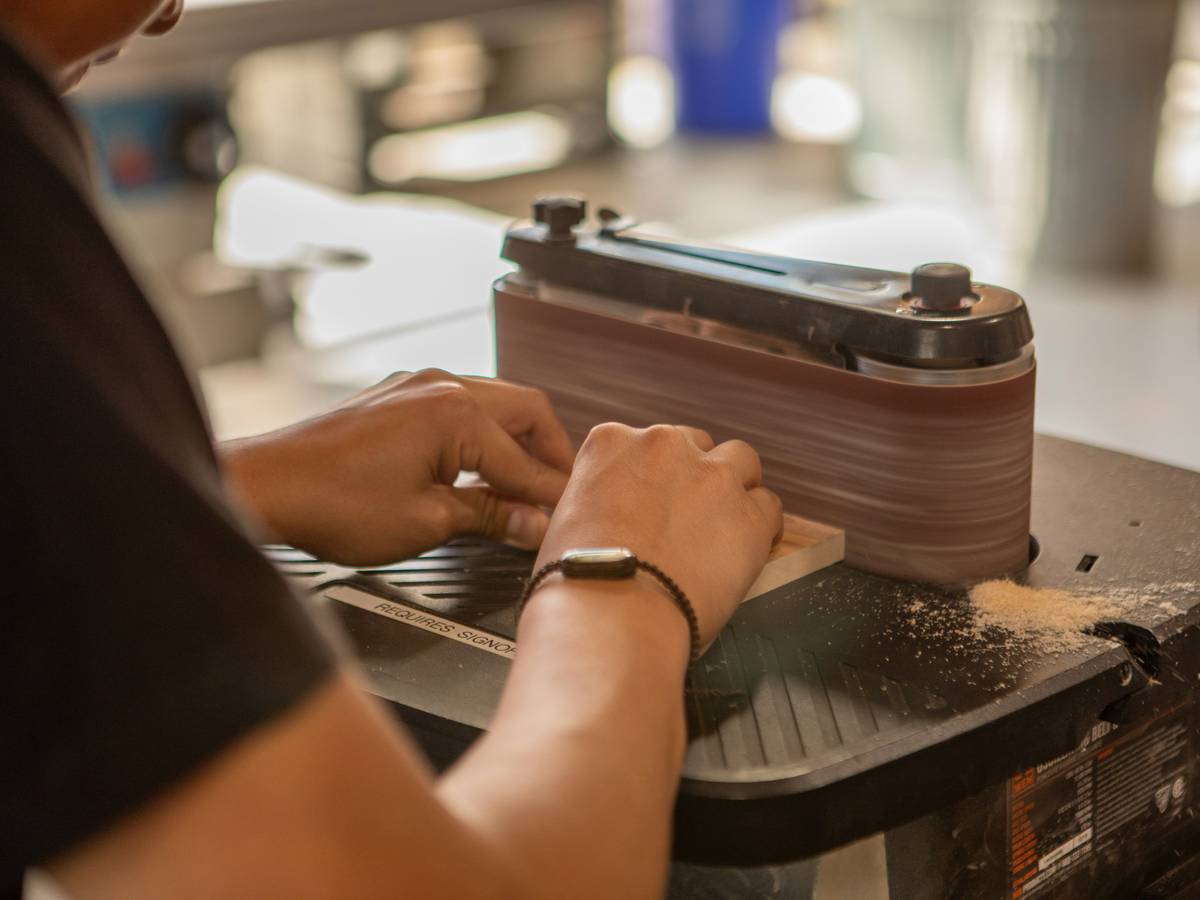
I learned this the hard way. My first attempt? A “quick weekend bookshelf” from a flashy blog. No cut list, vague diagrams, and zero mention that I’d need a drill press. Result: crooked holes, splintered wood, and a $60 lesson in humility. Don’t be like me—demand clarity upfront.
Your Step-by-Step Path to First Success
1. Choose the Right Project
Pick something functional with few joints: a phone stand, small shelf, or plant holder. Avoid curves or intricate joinery. Look for plans explicitly labeled for beginners that include:
- Full cut list (dimensions + wood type)
- Tool requirements
- Step-by-step photos or diagrams
2. Gather Tools and Materials
You don’t need a garage full of gear. Essential starter tools: tape measure, combination square, clamps, hand saw or circular saw, drill, sandpaper (80–220 grit), and safety glasses. Buy kiln-dried pine—it’s affordable, forgiving, and widely available at hardware stores.
3. Read the Entire Plan First
Yes, all of it. Before touching wood, walk through each step mentally. Flag anything confusing. If a plan doesn’t explain how to align pieces or finish edges, find another one.
Best Practices for Safe, Efficient Builds
- Mark cuts clearly: Use a sharp pencil and square—never eyeball.
- Test-fit before gluing: Dry assembly prevents glue disasters.
- Sand progressively: Start coarse (80 grit), finish fine (180–220).
- Work clean: Sawdust hides measurements. Wipe surfaces often.
- Never skip safety: Goggles, ear protection, and a dust mask aren’t optional.
And here’s my “terrible tip” disclaimer: Ignore anyone who says, “Just wing it—you’ll figure it out.” Wood doesn’t forgive sloppy layout. Precision > speed every time.
Real Beginner Projects That Actually Work
The U.S. Forest Service offers free, vetted beginner plans through their educational outreach, including a classic wall-mounted key holder requiring only five cuts and basic screws. One study by a community college woodworking program found that students using such standardized plans completed their first project successfully 89% of the time versus 52% when using unvetted online templates.
Another win? The “1-Hour Desktop Organizer”—a staple among new woodworkers. With pre-cut slots and no joinery, it teaches measuring, drilling, and finishing. Most beginners finish it in under 90 minutes and gain immediate confidence. These successes prove that the right woodworking plans for beginners projects create momentum, not frustration.
At Momohost, we believe education should empower—not intimidate. That’s why we curate resources grounded in real experience, not just clicks.
Frequently Asked Questions
What’s the easiest woodworking project for absolute beginners?
A wooden spoon rack or coasters. They require straight cuts, minimal tools, and offer quick satisfaction—ideal for building foundational skills.
Do I need expensive tools to start?
No. A reliable measuring tape, hand saw, drill, and sandpaper are enough. Upgrade as you advance.
Where can I find free, reliable woodworking plans for beginners projects?
Trusted sources include the U.S. Forest Service, university extension programs, and established makerspaces. Always verify the plan includes a materials list and clear steps.
How do I avoid common beginner mistakes?
Read the full plan first, measure meticulously, and never rush assembly. Also, wear safety gear—always.
Can I modify beginner plans to fit my space?
Yes—but only after completing the original design once. Modifications require understanding grain direction and load limits.
What wood type is best for first projects?
Kiln-dried pine. It’s soft, inexpensive, widely available, and sands easily—perfect for practicing cuts and finishes.
Conclusion
Starting woodworking shouldn’t feel like decoding hieroglyphics. With the right woodworking plans for beginners projects, you’ll build skill, confidence, and real, usable creations—without wasting time or timber. Remember: every expert was once a beginner who refused to quit after their first botched shelf. Ready to craft your first piece? Contact us for personalized project recommendations—and don’t forget to review our privacy policy if you share your build photos with us!
Nails bend. Wood splits. But your curiosity? That’s unbreakable.