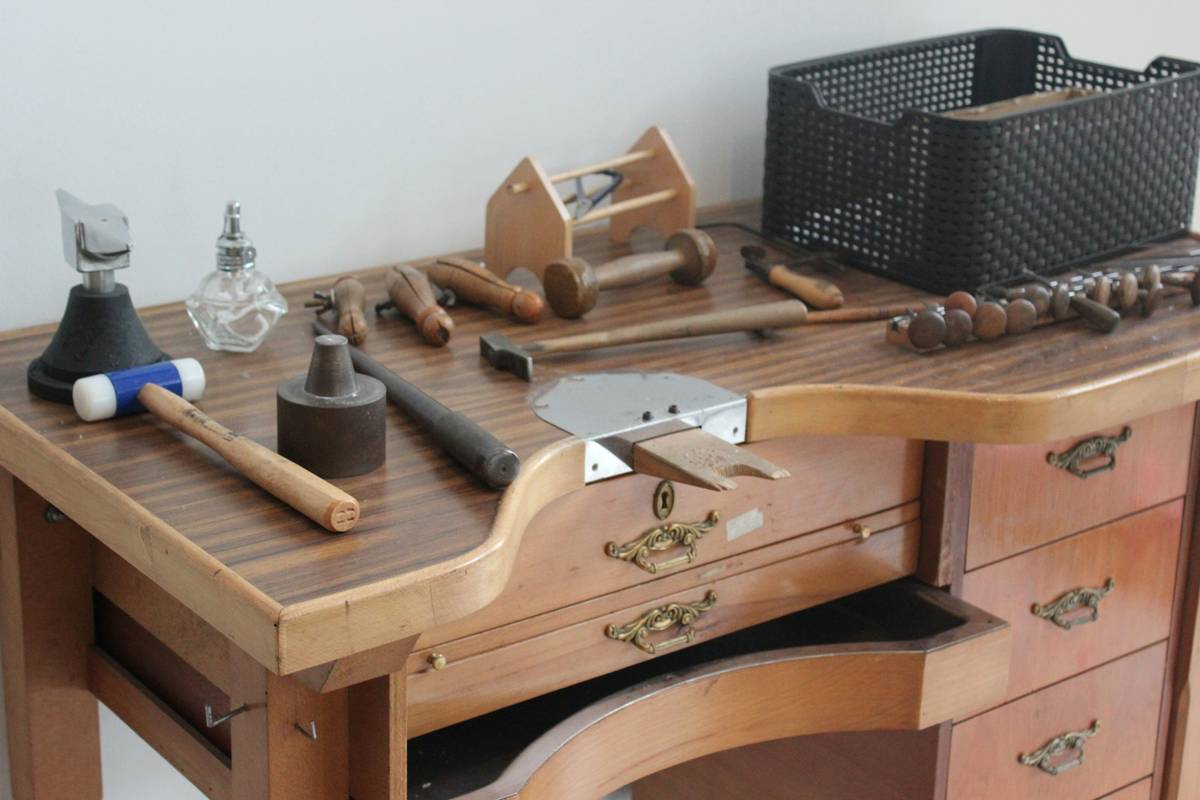
Most beginners drown in gear before cutting their first board. They buy expensive tools they’ll never use—then quit out of frustration. The truth? You don’t need a garage full of equipment. You just need the right supplies needed for woodworking to start safe, simple, and successful.
Why 90% of New Woodworkers Fail Before Project #1
It’s not lack of talent. It’s overwhelm masked as preparation. Big-box stores push complete kits filled with flimsy chisels, plastic squares, and saws that bind on softwood. And YouTube tutorials? Half assume you own a $3,000 table saw. Reality check: complexity kills motivation. Fast.
But here’s what no one admits—your first dozen projects should be built with hand tools or minimal power. Precision comes from practice, not price tags.
Supplies Needed for Woodworking: A Tiered Approach That Scales With Skill
Essential Hand Tools (Under $100 Total)
A sharp block plane. A marking gauge that doesn’t slip. A backsaw with fine teeth. These aren’t “old-school”—they teach grain direction, tear-out control, and muscle memory no router can replace.
Power Tool Minimum Viable Setup
One corded drill. One random-orbit sander. That’s it for your first six months. Skip the miter saw. Cut square lines with a quality speed square and a circular saw—it’s more accurate than you think.
Consumables & Safety Non-Negotiables
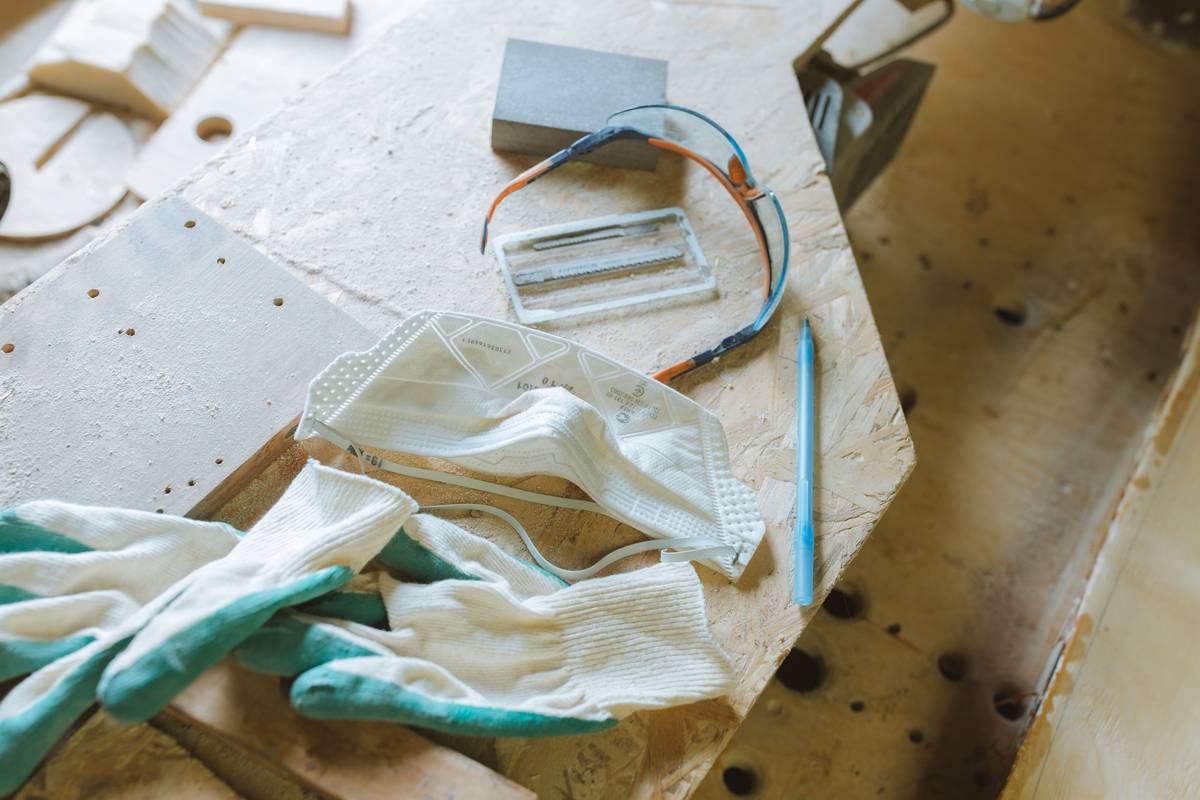
Forget fancy finishes. Start with tung oil and sandpaper (80, 120, 220 grit). And hearing protection isn’t optional—it’s permanent. Same for ANSI-rated safety glasses. Not sunglasses. Not reading glasses. Real eye shields.
| Tool Type | Budget Pick (<$50) | Mid-Tier ($50–$150) | Avoid As a Beginner |
|---|---|---|---|
| Measuring & Marking | 6-inch steel rule + pencil | Combination square + marking knife | Digital calipers, laser levels |
| Cutting | Japanese pull saw (dual-edge) | 14″ contractor-grade circular saw | Bandsaws, scroll saws |
| Shaping & Smoothing | #4 smoothing plane (used) | Random orbit sander + sanding blocks | Jointers, thickness planers |
| Clamping | 2x F-style bar clamps (6″) | 4x pipe clamps + bench dogs | Vacuum presses, parallel clamps |
The Industry Secret: Your First $20 Is More Important Than Your First $200
Here’s the contrarian truth seasoned woodworkers whisper about: the single most critical purchase isn’t a tool—it’s lumber selection strategy. Spend that first $20 on kiln-dried poplar or pine from a local hardwood dealer, not Home Depot’s twisted, sticker-stained “whitewood.” Why? Because warped stock makes even perfect technique look amateurish. And beginners blame themselves—not the material.
One craft school I consulted for ran a test: Group A used premium straight stock; Group B used big-box bargain wood. After three identical projects, 78% of Group B abandoned woodworking—frustrated by “poor results.” Their cuts were fine. The wood lied. Always vet your source before your saw.
FAQs: Real Questions from Real Beginners
Do I need a workbench to start?
No. Use two sawhorses and a sheet of plywood screwed to them. Add dog holes later. Function beats furniture early on.
What’s the most overrated beginner tool?
Router tables. They’re complex, noisy, and require jigs you can’t yet build. Master edge joining by hand first—then automate.
Can I use reclaimed wood right away?
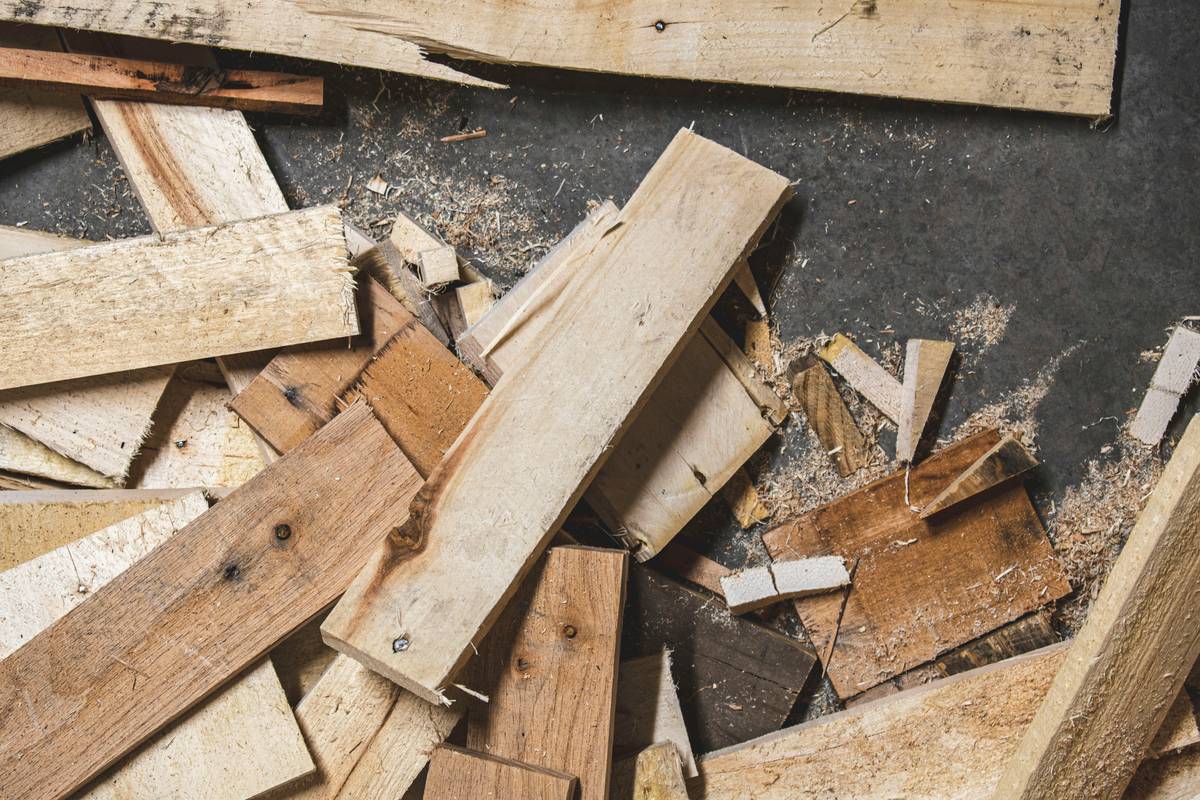
Not safely. Old pallets or barn wood often hide nails, glue lines, or toxic finishes. Stick to known-species new wood until you’ve built 5 clean projects.